The recent cricket spectacle that caught the attention of nation was a welcome surprise. India Women Cricket team reached the

Blog
 By SoumenDe
December 30, 2025
By SoumenDe
December 30, 2025
Handling Comparisons: Lessons from Mithali Raj
By SoumenDe
December 30, 2025
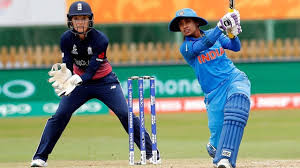
The recent cricket spectacle that caught the attention of nation was a welcome surprise. India Women Cricket team reached the final of ICC Women World Cup 2017 on 23rd July 2017. An estimated 180 million people from across the world watched the event in which the Indian team, led by Mithali Raj, ended runners-up after losing to England. India’s fine performances contributed to a 500 percent increase in television viewing hours in the country. The Women Cricket has suddenly become the new poster of India’s sport.. Awards and recognition in the form of cash bounty, promotion in their respective job, increased media attention came their way. But one thing that the team battled and certainly won was over the purposeless and energy sapping comparison (esp. with Men cricket team) that were made both before, during and after the match. Some comparison yardstick were difference in TV viewership, prize money, lack of killer instinct, highest chasing total being only 245, prize money etc. Some comparisons were made in a subtle way and other in a more explicit way. Like it or not, comparisons are not going to go away. We are compared in our organization (both explicit and implicit) both for our results and our behaviors. HR, thanks to the famous Bell Curve, lures them to use the relative ranking or forced ranking system for assessment We are not compared with what we are or capable of but how we performed compared to others. The marketers routinely fan the flame of comparison. One of the most effective tools for advertisers is to foster jealousy and envy among us. Remember the famous tag line of ONIDA TV “Neighbors Envy Owners Pride”. “Comparing” is a natural tendency we all have. For good reason or otherwise, knowingly or unknowingly, either we ourselves compare with others or our managers (Like, why don’t you talk from her etc) or our family members does comparison (Like your daughter telling “Papa, his Daddy comes early from office !” etc ) . We can put a neutral hat to compare when we merely evaluate similarities and differences. It is the most recommended way to compare as it helps in astute reasoning. It’s also productive if we’re inspired to emulate another’s impressive traits. However, it becomes dysfunctional when it stirs envy and jealousy. Disturbingly, people compare to feel inferior to those with “MORE” than to feel grateful compared to those with “LESS”. Confident people are not disturbed by these comparisons. Comparisons are always unfair. We typically compare the worst we know of ourselves to the best we presume about others. “Comparison is the thief of joy” quoted by Theodore Roosevelt sums it up very succinctly. Confident people (including Mithali Raj) do not compare or get worked up with unnecessary comparisons. They know what they are and have a clear road map of their path to success. They have plan in place to achieve ‘excellence’ and ignore the unnecessary comparisons coming their way. In fact they often use tact and humor to thwart unnecessary comparisons, like this response to a pre match media event when she was asked the following”
Media: “So who’s your favorite cricketer between India and Pakistan?”
Mithali: “Do you ask that same question to a male cricketer?” “Do you ask them who their favourite female cricketer is?”
Her response was terse, a smart response to an unwanted comparison and in no time it went viral.
Bottom Line: “Don’t compare yourself to others. Compare yourself to the person you were yesterday.” ~ Anonymous
Note – This is also covered in Editorial Section of PM Essence for the Aug Edition.